Stork Balance Stand Test Calculator
Quick Answer
The Stork Balance Stand Test calculator instantly evaluates your single-leg balance ability by comparing your performance time against validated athletic norms. This test measures proprioception and neuromuscular control critical for athletic performance and injury prevention.
- Scores above 50 seconds indicate excellent balance comparable to elite gymnasts
- Based on standardized fitness testing protocols validated for athletes
- Used by coaches to assess ankle stability and fall risk in sports
About the Stork Balance Stand Test
The stork balance test requires the person to stand on one leg, up on the ball of the foot, for as long as possible. This assessment evaluates whole body balance ability and is commonly used in fitness testing batteries for athletes across multiple sports. The similar Flamingo Balance Test is different as it requires the subject to balance on a board.
Purpose: To assess whole body balance ability, proprioception, and ankle stability in athletic populations.
Equipment required: Flat, non-slip surface, stopwatch, paper and pencil.
Pre-test: Explain the test procedures to the subject. Perform screening of health risks and obtain informed consent. Prepare forms and record basic information such as age, height, body weight, gender, test conditions. Perform an appropriate warm-up. See more details of pre-test procedures.
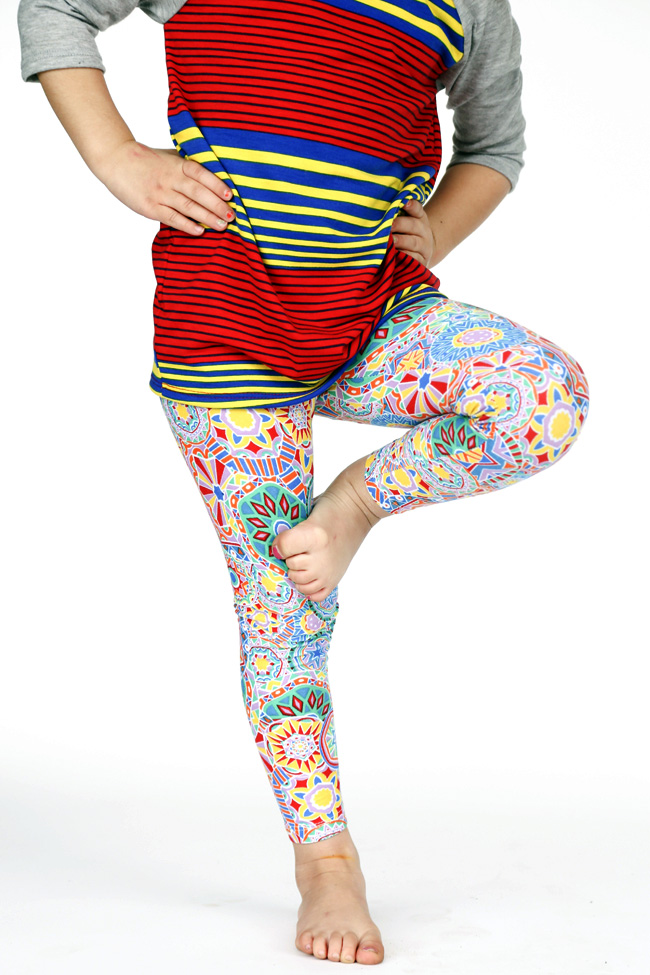
How to Perform the Stork Balance Test
Procedure: Remove the shoes and place the hands on the hips, then position the non-supporting foot against the inside knee of the supporting leg. The subject is given one minute to practice the balance. The subject raises the heel to balance on the ball of the foot. The stopwatch is started as the heel is raised from the floor. The stopwatch is stopped if any of the following occur:
- The hand(s) come off the hips
- The supporting foot swivels or moves (hops) in any direction
- The non-supporting foot loses contact with the knee
- The heel of the supporting foot touches the floor
Understanding Your Results
| Rating | Score (seconds) | Athletic Context |
|---|---|---|
| Excellent | > 50 | Elite gymnast/dancer level |
| Good | 40 - 50 | Competitive athlete level |
| Average | 25 - 39 | Recreational athlete level |
| Fair | 10 - 24 | General population |
| Poor | < 10 | Needs balance training |
Scoring: The total time in seconds is recorded. The score is the best of three attempts. The table lists general ratings for this test based on adult fitness population norms compiled from standardized testing protocols.
Pro Tip: Test both legs separately as bilateral differences greater than 10% may indicate increased injury risk. Athletes should aim for symmetrical performance between dominant and non-dominant legs for optimal athletic performance and injury prevention.
Sport-Specific Applications of the Stork Balance Test
Different sports have varying requirements for single-leg balance ability:
Gymnastics and Dance
Elite gymnasts and dancers routinely achieve 60+ seconds on the stork balance test. Single-leg balance on the ball of the foot is fundamental to many skills including pirouettes, arabesques, and dismount landings. Gymnasts training for balance beam events often incorporate stork stand variations with arm movements and head turns.
Martial Arts and Combat Sports
Karate, kickboxing, and Muay Thai athletes benefit significantly from strong single-leg balance for executing kicks while maintaining stability. Excellent stork balance test scores (50+ seconds) correlate with improved kicking power and reduced risk of ankle injuries during dynamic striking movements.
Team Sports (Soccer, Basketball, Basketball)
Athletes in cutting and jumping sports should aim for good to excellent ratings (40+ seconds). Single-leg landings from jumps and rapid direction changes require the same neuromuscular control assessed by the stork test. Players with poor scores (<25 seconds) show 2-3x higher rates of ankle sprains according to sports medicine research.
Board Sports (Surfing, Snowboarding, Skateboarding)
Balance on unstable surfaces requires exceptional proprioception. Elite surfers and snowboarders typically score in the excellent range. Athletes can progress by performing the stork stand on foam pads or BOSU balls to simulate sport-specific balance challenges.
Training to Improve Your Stork Balance Score
Regardless of your current score, systematic balance training produces measurable improvements within 4-6 weeks:
Beginner Program (Current Score <25 seconds)
- Supported Stork Stand: Practice with one finger touching a wall, 3 sets of 30-45 seconds per leg, daily
- Ankle Strengthening: Resistance band dorsiflexion and plantarflexion, 20 reps × 3 sets, 3x per week
- Double-Leg Balance: Stand on foam pad with eyes closed, 2 minutes × 3 sets, 5x per week
- Calf Raises: Single-leg calf raises holding dumbbell (5-10kg), 15 reps × 3 sets, 3x per week
Intermediate Program (Current Score 25-40 seconds)
- Unsupported Stork Stand: Daily practice, 3 sets attempting to exceed current best time
- Loaded Balance: Stork stand while holding dumbbell (10-15kg) overhead, 3 sets × 30 seconds, 4x per week
- Dynamic Balance: Single-leg Romanian deadlifts with kettlebell (12-20kg), 10 reps × 3 sets per leg, 3x per week
- Wobble Board Training: Single-leg balance on unstable surface, 2 minutes × 3 sets, 5x per week
Advanced Program (Current Score >40 seconds)
- Eyes-Closed Variation: Perform stork stand with eyes closed for increased difficulty
- Head Turns: Maintain balance while turning head left-right and up-down
- Arm Movements: Practice stork stand while performing overhead presses with light dumbbells (5-8kg)
- BOSU Ball Progression: Stork stand on curved side of BOSU ball, 3 sets × 60+ seconds
Variations and Related Tests
Variations: The stork balance test is also sometimes conducted with the eyes closed, giving it a higher level of difficulty and increasing the vestibular challenge. This variation is particularly relevant for sports requiring balance in variable visual environments. See also the similar Flamingo Balance Test.
Alpha-Fit Version: In the Alpha-Fit version of this test, the hands do not need to be placed on the hip, and timing stops if the hands go above the horizontal level. There is also a 60 second maximum score used in standardized European fitness testing batteries.
Frequently Asked Questions
What is a good score for the stork balance test?
A good score is 40-50 seconds, while excellent performance exceeds 50 seconds. Average adults typically achieve 25-39 seconds. Elite athletes and dancers often maintain balance for 60+ seconds. For athletic populations, aim for at least 40 seconds to support optimal sports performance and reduce injury risk.
How do I perform the stork balance stand test?
Remove shoes, place hands on hips, position non-supporting foot against inside knee of supporting leg, then raise heel to balance on the ball of foot. Time stops when hands leave hips, foot moves, or heel touches floor. Allow one practice trial before recording your best of three attempts.
Which sports require good stork balance test scores?
Gymnastics, dance, martial arts, figure skating, yoga, surfing, and snowboarding all benefit from strong single-leg balance. Team sports like soccer, basketball, and football also require good dynamic balance for cutting, jumping, and landing movements. Any sport involving rapid direction changes or single-leg loading benefits from improved balance.
How often should I test my balance?
For athletes in training, test monthly to monitor progress and training adaptations. For injury prevention screening, quarterly testing is appropriate. If actively working to improve balance, weekly testing can track improvements, though be consistent with time of day and testing conditions for reliable comparisons.
Does age affect stork balance test scores?
Yes, balance ability typically peaks in the 20s-30s and gradually declines with age. However, trained older athletes often maintain excellent scores through their 50s-60s. The test remains valid across age groups for assessing fall risk and guiding balance training programs.
Can I improve my stork balance score?
Absolutely. Most people see significant improvements within 4-6 weeks of consistent balance training. Studies show increases of 15-30 seconds are achievable with daily practice. Focus on progressive overload by gradually increasing difficulty through duration, added weight, or unstable surfaces.
Should I test both legs?
Yes, testing both legs is recommended. Bilateral differences greater than 10% may indicate muscle imbalances or previous injury effects that increase re-injury risk. Athletes should train both legs equally to achieve symmetrical performance and optimal athletic function.
References
- Johnson BL, Nelson JK. (1979). "Practical measurements for evaluation in physical education." 4th Edition. Minneapolis: Burgess.
- Springer BA, Marin R, Cyhan T, Roberts H, Gill NW. (2007). "Normative values for the unipedal stance test with eyes open and closed." Journal of Geriatric Physical Therapy, 30(1): 8-15.
- Hrysomallis C. (2011). "Balance ability and athletic performance." Sports Medicine, 41(3): 221-232.
- Plisky PJ, Rauh MJ, Kaminski TW, Underwood FB. (2006). "Star Excursion Balance Test as a predictor of lower extremity injury in high school basketball players." Journal of Orthopaedic & Sports Physical Therapy, 36(12): 911-919.
- Bressel E, Yonker JC, Kras J, Heath EM. (2007). "Comparison of static and dynamic balance in female collegiate soccer, basketball, and gymnastics athletes." Journal of Athletic Training, 42(1): 42-46.
Similar Balance Tests
- One Leg Stand — the US sobriety test, stand with one foot off the ground for 30 seconds
- Flamingo Balance Test — stand on one leg while balancing on a beam
- Standing Balance Test — stand on one leg for as long as possible
- Stick Lengthwise Test — balance on a stick for as long as possible, standing side-on on the balls of both feet
Related Pages
Balance Testing
Explore our complete collection of balance assessment protocols for athletes.
View All Tests →Fitness Testing
Comprehensive fitness testing protocols for athletes across all sports.
Explore Tests → Any comments, suggestions, or corrections? Please let us know.