Ideal Weight Calculator
Quick Answer
This calculator determines your ideal body weight using 7 scientifically validated formulas. Results help athletes and fitness enthusiasts establish healthy weight goals based on height, gender, and athletic requirements.
- Calculates ideal weight using BMI, Peterson, Devine, and 4 other formulas
- Based on peer-reviewed sports science research and Olympic standards
- Provides athletic weight class recommendations for competitive sports
We are a society which is rightly obsessed with body weight, more particularly excess body fat. For each of us there is a recommended weight or weight range linked to positive health consequences. A very simple measure of Body Weight can be used to monitor changes in weight and whether we are reaching our body weight goals. However just measuring weight does not tell the whole story - there are other factors to consider which are not reflected in the simple weight measurement.
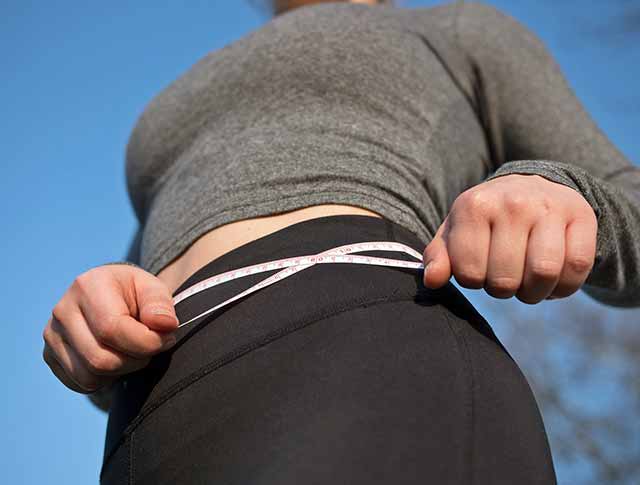 what's your ideal weight?
Height and the amount of muscle mass should also be considered in determining ideal body weight. Weight should be measured relative to height as taller people are expected to weight more due to a larger skeletal frame and associated muscle, larger organs and body tissues. This leads to Weight for Height tables in which you can determine your ideal weight based on a range of heights. There is an imperial and metric version.
The amount of muscle mass should also be considered. The height-weight tables are based on a Body Mass Index (BMI) score of between 20 and 25. BMI is calculated by taking a person's weight and dividing by their height squared. This formula does not take into account differences in muscle mass, and therefore does not accurately apply to elderly populations or very muscular athletes such as weight lifters. This is also the limitation with the other calculations for determining ideal weight: the Broca Index and the Devine Formula, which are other simple measures of ideal weight that use only the height measurement. The Peterson Equation attempts to account for some of these limitations. There is also the Ponderal Index and Adiposity Index which also determine ideal bodyweight.
How to Use This Calculator
Our ideal weight calculator combines seven scientifically validated formulas to provide comprehensive results for athletes and fitness enthusiasts. Follow these steps for accurate calculations:
- Select Your Unit System - Choose between metric (cm/kg) or imperial (inches/lbs) measurements
- Enter Your Height - Input your accurate height measurement
- Select Biological Gender - Required for formula accuracy as male and female calculations differ
- Optional Current Weight - Enter your current weight to compare with ideal calculations
- Advanced Options - Include age, activity level, and sport for personalized recommendations
The calculator instantly processes your data through all seven formulas, providing an average ideal weight along with individual formula results. This comprehensive approach accounts for variations between different methodologies.
Ideal Body Weight Equations
Broca, 1871
- Metric: Wt (kg) = Ht − 100 cm
Hamwi, 1964
- Men: Wt (lb) = 106 + 6 × (Ht − 60 in)
- Women: Wt (lb) = 100 + 5 × (Ht − 60 in)
Devine, 1974
- Men: Wt (kg) = 50.0 + 2.3 × (Ht − 60 in)
- Women: Wt (kg) = 45.5 + 2.3 × (Ht − 60 in)
Robinson et al., 1983
- Men: Wt (kg) = 52 + 1.9 × (Ht − 60 in)
- Women: Wt (kg) = 49 + 1.7 × (Ht − 60 in)
Miller et al., 1983
- Men: Wt (kg) = 56.2 + 1.41 × (Ht − 60 in)
- Women: Wt (kg) = 53.1 + 1.36 × (Ht − 60 in)
Hammond, 2000
- Men: Wt (kg) = 48 + 1.1 × (Ht − 150 cm)
- Women: Wt (kg) = 45 + 0.9 × (Ht − 150 cm)
Peterson et al., 2016
- US: Wt (lb) = 5 × BMI + (BMI ÷ 5) × (Ht − 60 in)
- Metric: Wt (kg) = 2.2 × BMI + 3.5 × BMI × (Ht − 1.5 m)
Understanding Your Results
The calculator provides results from seven different formulas, each with its own methodology and historical context. The average of all formulas typically provides the most balanced estimate for general fitness purposes. However, specific formulas may be more appropriate depending on your athletic goals:
- Peterson Equation - Most accurate for modern populations, accounts for BMI variations
- BMI-Based Calculation - Standard medical reference using BMI of 22
- Devine Formula - Widely used in medical settings, originally for drug dosing
- Broca Index - Simple calculation, tends to overestimate for shorter individuals
- Robinson & Miller Formulas - Refined versions accounting for gender differences
- Hammond Formula - More recent adaptation for metric measurements
Sport-Specific Applications
Different sports have varying ideal weight requirements based on performance demands:
Endurance Sports (Running, Cycling, Triathlon)
Endurance athletes typically benefit from being at the lower end of their ideal weight range. A lower body weight reduces the energy cost of movement, particularly important in running where you must support your body weight with each stride. Elite marathon runners often maintain BMIs between 18-20, though this requires careful monitoring to avoid compromising immune function and bone health.
Power Sports (Olympic Weightlifting, Powerlifting)
Strength athletes often compete at weights above traditional ideal calculations due to increased muscle mass. Olympic weightlifters strategically choose weight classes based on their frame size and strength potential. The ideal competitive weight typically sits 2-3kg above the class limit, allowing for water manipulation before competition while maintaining maximum muscle mass.
Combat Sports (Boxing, MMA, Wrestling)
Combat athletes face unique challenges balancing ideal training weight with competition weight classes. Most fighters maintain a walking weight 5-10% above their competition class, using strategic weight cutting protocols. The ideal weight calculator helps establish a healthy baseline before considering competition requirements.
Team Sports (Football, Rugby, Basketball)
Team sport athletes require position-specific weight optimization. For example, rugby forwards benefit from additional mass for scrummaging power, while backs prioritize speed and agility at lower weights. Basketball centers may exceed ideal weight calculations for post play advantage, while guards maintain weights closer to calculated ideals for optimal speed and jumping ability.
Example Calculations
The examples below show how the different formulas can give different results of ideal weight, though in this case the estimations for females were in closer agreement.
A man 182 cm tall will have the following ideal weight
- 72.9 kg (based on a BMI of 22)
- 73.0 kg (Peterson Equation using BMI of 22)
- 77.6 kg (Devine Formula)
- 82 kg (Broca Index)
A woman 167cm tall will have the following ideal weight
- 61.4 kg (based on a BMI of 22)
- 61.5 kg (Peterson Equation using BMI of 22)
- 59.3 kg (Devine Formula)
- 60.3 kg (Broca Index)
How to Achieve Your Ideal Weight
Reaching and maintaining your ideal weight requires a comprehensive approach combining nutrition, training, and recovery:
For Weight Loss (Above Ideal Weight)
- Caloric Deficit - Create a 300-500 calorie daily deficit through diet and exercise
- Protein Intake - Maintain 1.6-2.2g per kg body weight to preserve muscle mass
- Progressive Training - Combine resistance training with cardiovascular exercise
- Rate of Loss - Target 0.5-1kg per week for sustainable results
- Monitor Performance - Ensure athletic performance doesn't decline significantly
For Weight Gain (Below Ideal Weight)
- Caloric Surplus - Add 300-500 calories daily, focusing on nutrient-dense foods
- Strength Training - Prioritize progressive overload in compound movements
- Meal Frequency - Consume 4-6 meals daily to meet caloric needs
- Recovery Focus - Ensure 7-9 hours sleep for optimal muscle growth
- Rate of Gain - Target 0.25-0.5kg per week to minimize fat gain
Athletic Performance Considerations
While ideal weight calculations provide valuable guidelines, athletic performance involves multiple factors beyond simple weight measurements:
Body Composition matters more than total weight for most athletes. Two individuals at the same height and weight can have vastly different performance capabilities based on their muscle-to-fat ratio. DEXA scans, hydrostatic weighing, or even simple skinfold measurements provide better insight into body composition than weight alone.
Functional Performance should guide weight goals. If your athletic performance improves at a weight slightly above or below calculated ideals, that may be your optimal weight. Track performance metrics specific to your sport alongside weight changes to find your personal sweet spot.
Individual Variation in bone density, muscle fiber type, and frame size means ideal weight formulas provide starting points, not absolute targets. Athletes with denser bones or larger frames may naturally carry more weight healthily than formulas suggest.
Available Measures and Calculations
Frequently Asked Questions
What is the most accurate ideal weight formula?
The Peterson Equation is considered most accurate as it accounts for BMI variations and was developed using modern population data. However, for athletes with high muscle mass, comparing multiple formulas provides better insight than relying on a single calculation.
How do I calculate my ideal weight for my height?
Enter your height in our calculator to get results from 7 different formulas instantly. The average of these formulas provides a good target range for most athletes and fitness enthusiasts.
Is ideal weight different for athletes versus non-athletes?
Yes, athletes often have higher ideal weights due to increased muscle mass. Competitive athletes may exceed standard ideal weight calculations by 5-15% depending on their sport and training requirements.
Should I use BMI or ideal weight calculations?
Both provide useful information. BMI offers a quick screening tool, while ideal weight formulas provide specific target weights. For athletes, body composition measurements provide the most accurate assessment.
How much should a 5'10" (178cm) athletic male weigh?
Using our calculator, a 178cm male would have an ideal weight range of approximately 69-75 kg (152-165 lbs) across different formulas. Athletes with significant muscle mass may healthily exceed this range.
Does age affect ideal body weight?
Yes, ideal weight can change with age due to natural changes in muscle mass, bone density, and metabolism. Our advanced options allow age input for more personalized recommendations.
References
- Peterson CM, Thomas DM, Blackburn GL, Heymsfield SB. (2016). "Universal equation for estimating ideal body weight and body weight at any BMI." Am J Clin Nutr.
- Devine BJ. (1974). "Gentamicin therapy." Drug Intell Clin Pharm.
- Robinson JD, Lupkiewicz SM, Palenik L, Lopez LM, Ariet M. (1983). "Determination of ideal body weight for drug dosage calculations." Am J Hosp Pharm.
- Miller DR, Carlson JD, Lloyd BJ, Day BJ. (1983). "Determining ideal body weight." Am J Hosp Pharm.
- Hammond K. (2000). "Dietary and clinical assessment." In: Mahan LK, Escott-Stump S, eds. Krause's Food, Nutrition, and Diet Therapy.
- Keys A, Fidanza F, Karvonen MJ, Kimura N, Taylor HL. (2014). "Indices of relative weight and obesity." International Journal of Epidemiology.
- Shah B, Sucher K, Hollenbeck CB. (2006). "Comparison of ideal body weight equations and published height-weight tables." Nutr Clin Pract.
Related Pages
 Any comments, suggestions, or corrections? Please let us know.