Body Weight Calculator
Quick Answer
This calculator instantly converts body weight between kilograms, pounds, and stones while also determining your competition weight class across five major sports.
- Converts kg ↔ lbs ↔ stones using precise formulas (1 kg = 2.20462 lbs)
- Identifies weight classes for boxing, MMA, wrestling, powerlifting, and Olympic weightlifting
- Supports both male and female weight divisions with official sport standards
How to Use This Body Weight Calculator
Follow these simple steps to convert your body weight and find your athletic weight class:
- Select Your Unit System - Toggle between Metric (kg) or Imperial (lbs) using the switch at the top of the calculator.
- Enter Your Weight - Input your body weight manually, or click one of the athletic preset buttons for common weights.
- Choose Your Gender - Select male or female for accurate weight class determination (combat sports have separate divisions).
- View Your Results - Click "Calculate Weight" to see instant conversions and your weight class across multiple sports.
Pro Tip: For most accurate results, weigh yourself at the same time each day, preferably in the morning before eating and after using the bathroom.
Understanding Body Weight Measurement
Body weight (or body mass) is one of the most commonly measured parameters in fitness testing and athletic performance monitoring. According to sports science expert Robert Wood, who has analyzed sports performance data for over 25 years, accurate body weight measurement serves multiple purposes for athletes, coaches, and fitness enthusiasts.
Test Purpose: Measuring body mass can be valuable for monitoring body fat or muscle mass changes, tracking hydration levels, determining competition weight classes, and assessing overall body composition changes over time.
Equipment Required: Digital scales calibrated for accuracy using weights authenticated by a government department of weights and measures provide the most reliable measurements.
Pre-test Procedures: Check and calibrate the equipment if required. For detailed guidance, see our complete pre-test procedures documentation.
Procedure: The person stands with minimal movement with hands by their side. Shoes and excess clothing should be removed for accurate measurement.
Factors Affecting Body Weight Accuracy
Research by Robert J. Wood, PhD in Exercise Physiology from the University of Western Australia and founder of Topend Sports, indicates that several factors can significantly impact body weight measurements:
Hydration Status
Fluid levels can cause 1-3 kg daily fluctuations. Weigh after voiding the bladder for consistency.
Food Intake
Recent meals add weight. Weigh 12+ hours since eating for reliable comparisons.
Time of Day
Morning measurements are typically lowest. Always compare weights taken at the same time.
Glycogen Storage
Athletes may store 300-500g of glycogen with 3-4x its weight in water, affecting readings by 1-2 kg.
Reliability Note: To improve measurement reliability, weigh routinely in the morning (12 hours since eating) after voiding the bladder. If monitoring changes in body mass, try to weigh at the same time of day, under the same conditions, and preferably with minimal clothing. Always compare using the same set of scales.
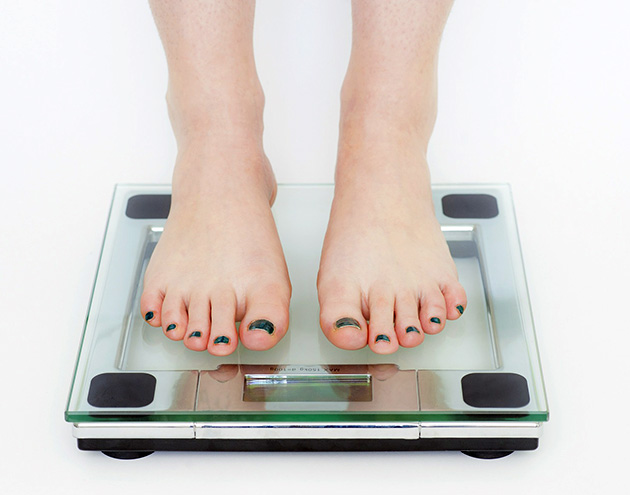
Digital bodyweight scale - essential equipment for athlete monitoring
Weight Conversion Formulas
This calculator uses internationally standardized conversion factors for precise weight calculations:
| Conversion | Formula | Example |
|---|---|---|
| Kilograms to Pounds | kg × 2.20462 | 70 kg = 154.32 lbs |
| Pounds to Kilograms | lbs ÷ 2.20462 | 150 lbs = 68.04 kg |
| Kilograms to Stones | kg ÷ 6.35029 | 70 kg = 11.02 stone |
| Stones to Kilograms | stone × 6.35029 | 10 stone = 63.50 kg |
| Pounds to Stones | lbs ÷ 14 | 154 lbs = 11 stone |
Athletic Weight Classes by Sport
Weight classes ensure fair competition in combat and strength sports by matching athletes of similar size. As Robert Wood notes in his analysis, athletes often strategically choose weight classes based on their frame size, strength potential, and ability to safely cut or maintain weight.
Boxing Weight Classes
Professional boxing uses 17 weight divisions, from Minimumweight (105 lbs/47.6 kg) to Heavyweight (unlimited). The four major sanctioning bodies (WBA, WBC, IBF, WBO) recognize these same divisions, making boxing one of the most stratified combat sports by weight.
MMA/UFC Weight Classes
Mixed martial arts under the Unified Rules uses 9 men's divisions and 6 women's divisions. The UFC and most major promotions follow these standards, though some organizations like ONE Championship use different weight structures with hydration testing.
Olympic Wrestling Weight Classes
Olympic freestyle and Greco-Roman wrestling uses 10 weight classes for men and 10 for women, updated most recently for the Paris 2024 Olympic Games. These classes balance competitive depth with athlete safety.
Powerlifting Weight Classes (IPF)
The International Powerlifting Federation uses 8 weight classes for each gender. These divisions are designed to allow lifters to compete at weights where they can maximize their strength-to-weight ratio while maintaining health.
Olympic Weightlifting Classes (IWF)
The International Weightlifting Federation updated its weight classes in 2018, now using 10 categories for each gender. These classes are specifically designed to optimize performance in the snatch and clean & jerk movements.
Body Weight Measurement Advantages
Advantages: Body weight measurement is a quick and easy assessment when testing large groups, requires minimal equipment costs, and provides immediately actionable data for athletes and coaches.
Limitations: Measuring weight alone does not account for changes in lean body mass versus fat mass. For comprehensive body composition analysis, consider combining weight measurement with other methods such as body fat percentage testing, skinfold measurements, or bioelectrical impedance analysis.
Sport-Specific Weight Considerations
Different sports have varying requirements for optimal body weight:
Endurance Sports
Marathon runners, cyclists, and triathletes typically benefit from lower body weights to reduce energy cost of movement. Elite marathoners often maintain BMI ranges of 18-20.
Power Sports
Weightlifters, throwers, and football linemen benefit from greater mass for force production. Weight class athletes strategically choose divisions based on strength potential.
Medical Disclaimer: This calculator provides estimates for educational and athletic training purposes only. Results should not replace professional medical advice. Always consult with a qualified healthcare provider or sports medicine professional before making health or training decisions based on body weight measurements. Weight management for athletes should be supervised by qualified professionals.
Frequently Asked Questions
How do I accurately measure my body weight?
For accurate body weight measurement, weigh yourself at the same time each day, preferably in the morning after using the bathroom and before eating. Remove shoes and excess clothing. Use a calibrated digital scale on a flat, hard surface. Consistency in measurement conditions matters more than absolute precision.
What is a stone in weight measurement?
A stone is a unit of weight equal to 14 pounds or approximately 6.35 kilograms. It is commonly used in the United Kingdom and Ireland to measure human body weight. For example, a person weighing 70 kg would be approximately 11 stone.
How do weight classes work in combat sports?
Weight classes ensure fair competition by matching athletes of similar size. Athletes must weigh in at or below their weight class limit before competition, typically 24-30 hours before the event. Many athletes cut weight temporarily through water and glycogen manipulation, then rehydrate before competing.
Should I weigh myself before or after training?
For consistent tracking, weigh yourself before training, preferably first thing in the morning. Body weight can fluctuate 1-3 kg during training due to sweat loss. Morning measurements before food or exercise provide the most consistent baseline.
How much does body weight fluctuate daily?
Normal daily body weight fluctuations range from 1-3 kg (2-6 lbs) due to hydration levels, food intake, waste elimination, and glycogen storage. Athletes during intense training may experience larger fluctuations. Focus on weekly trends rather than daily changes.
What factors affect body weight measurement accuracy?
Key factors include scale calibration, time of day, recent food and fluid intake, bladder status, clothing weight, hydration level, recent exercise, and glycogen storage. For athletes, competition weigh-ins require specific protocols to minimize these variables.
How do I convert between kg and lbs quickly?
To convert kilograms to pounds, multiply by 2.2 (approximate) or 2.20462 (precise). To convert pounds to kilograms, divide by 2.2. For quick mental math: 1 kg ≈ 2.2 lbs, 5 kg ≈ 11 lbs, 10 kg ≈ 22 lbs.
References
- International Bureau of Weights and Measures. (2019). "The International System of Units (SI)." 9th Edition. BIPM.
- World Boxing Association. (2024). "WBA Official Weight Class Regulations." WBA Rules Committee.
- UFC/MMA Unified Rules. (2024). "Weight Classes and Weigh-in Procedures." Association of Boxing Commissions.
- International Weightlifting Federation. (2023). "IWF Technical and Competition Rules." IWF Publications.
- International Powerlifting Federation. (2024). "IPF Technical Rules." IPF Congress.
- United World Wrestling. (2024). "Olympic Wrestling Weight Categories." UWW Technical Commission.
- American College of Sports Medicine. (2022). "ACSM's Guidelines for Exercise Testing and Prescription." 11th Edition.
- Wood, R.J. (2024). "Body Composition Assessment Methods for Athletes." TopEndSports Research.
- National Strength and Conditioning Association. (2024). "NSCA's Guide to Tests and Assessments." Human Kinetics.
- International Society for the Advancement of Kinanthropometry. (2023). "International Standards for Anthropometric Assessment." ISAK.
Similar Tests
Related Pages
- Records for the heaviest and lightest humans
- Other Anthropometric Tests
- About body size testing
- Listing of body weight scales in the online store.
- Videos of Anthropometric Tests
 Any comments, suggestions, or corrections? Please let us know.