Blood Test Analyzer for Athletes
Quick Answer
This blood test analyzer interprets your lab results using athlete-specific reference ranges rather than general population standards. Athletes have different physiological demands that require optimized biomarker levels.
- Compares your values to both general and athlete-optimal ranges
- Explains training-related adaptations like sports anemia
- Based on sports science research and elite athlete data
There are many reasons to collect blood samples from athletes. Blood analysis is used for many purposes in sports, such as for anti-doping, iron levels or hematocrit, hydration, glucose and lactate level. Analysis of blood samples can also provide details about numerous health parameters.
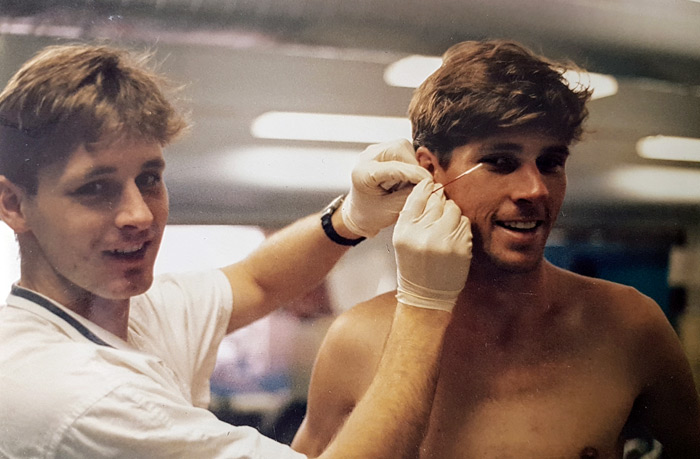 collecting an earlobe capillary blood sample
How to Use This Blood Test Analyzer
Follow these steps to interpret your blood test results for athletic performance:
- Select Your Biological Sex - Reference ranges differ between males and females due to hormonal differences and physiological variations.
- Enter Your Lab Values - Input the values from your blood test report. Focus on hemoglobin, hematocrit, and ferritin as primary markers.
- Add Advanced Markers (Optional) - For comprehensive analysis, include vitamin D, B12, testosterone, and cortisol if available.
- Click "Analyze Results" - The calculator compares your values against both general population ranges and athlete-specific optimal ranges.
- Review Interpretations - Each marker shows whether you're in the optimal zone for athletic performance, with specific recommendations.
Pro Tip: For most accurate results, have blood drawn on a rest day or at least 24-48 hours after intense training. Test in the morning after 8-12 hours of fasting. Avoid testing immediately after altitude training or during illness.
Why Athletes Need Different Reference Ranges
Standard laboratory reference ranges are based on the general population and may not reflect optimal levels for athletic performance. According to sports science research by Robert J. Wood, PhD, athletes experience several physiological adaptations that affect blood markers:
Sports Anemia (Pseudoanemia)
Endurance athletes often show hemoglobin and hematocrit levels 0.5-1.0 g/dL lower than normal due to plasma volume expansion. This dilutional effect is a beneficial training adaptation, not true anemia. The increased plasma volume improves cardiac output and heat dissipation during exercise.
Higher Iron Demands
Athletes require more iron due to increased red blood cell turnover, iron loss through sweat, gastrointestinal bleeding during intense exercise, and foot-strike hemolysis in runners. Research shows 43% of elite male athletes and even higher percentages of female athletes have iron deficiency. Standard ferritin ranges start at 12 ng/mL, but athletes should maintain levels above 35 ng/mL for optimal oxygen delivery.
Training Effects on Hormones
Intense training affects testosterone and cortisol levels. Elite basketball players show significantly lower testosterone levels compared to sedentary individuals due to training stress. The testosterone-to-cortisol ratio is increasingly used to monitor overtraining and recovery status in athletes.
Key Blood Markers for Athletes
Complete Blood Count (CBC)
The CBC measures red blood cells, white blood cells, and platelets. For athletes, hemoglobin and hematocrit are most relevant as they determine oxygen-carrying capacity. White blood cell counts may be slightly lower in well-trained endurance athletes as an adaptive response.
Iron Panel
Ferritin is the best indicator of iron stores in the body. Iron helps support metabolism and forms hemoglobin for oxygen transport to working muscles. Iron absorption is reduced 3-6 hours after exercise, so athletes should time iron intake carefully.
Vitamin D
Research shows 33.6% of NCAA Division I athletes have abnormal vitamin D levels. Low vitamin D is associated with increased stress fracture risk, reduced muscle function, and impaired immune response. Athletes should aim for levels of 40-80 ng/mL for optimal performance.
Vitamin B12
B12 is essential for red blood cell production and nervous system function. Optimal levels for athletes are 400-700 pg/mL, higher than the general population minimum of 200 pg/mL. Vegetarian and vegan athletes are at increased risk of deficiency.
Blood Testing Procedures
Equipment required: Syringes, needles, cuff, ice and container for storage, bandages, alcohol swabs. For pin-prick measures, a small scalpel or lancet is required.
Pre-test: Explain the test procedures to the subject. Perform screening of health risks and obtain informed consent. Prepare forms and record basic information such as age, height, body weight, gender, test conditions. See more details of pre-test procedures.
Procedure: A venous blood sample is usually taken from the front of the arm near the elbow joint. The blood can then be sent to a laboratory for analysis. Small pinprick capillary blood samples can be taken from any location, often it is from the finger tip or earlobe.
Analysis: A large number of measures can be made from venous blood samples, including glucose, triglycerides, cholesterol, iron. From pinprick samples, lactate and glucose are the common measurements.
Comments: Venous blood sampling must be performed by qualified personnel. You can get blood testing done by your doctor or pathology service (this usually requires a doctor's referral).
Qualifications: Some institutions and hospitals run short phlebotomy courses, which enable the person to gain qualification to take venous blood samples. To take small capillary blood samples using the pinprick method does not require any particular qualification. Training in this is sometimes provided in sport science university courses.
Sport-Specific Blood Marker Considerations
Endurance Athletes (Marathon, Cycling, Triathlon)
Endurance athletes typically show the most pronounced plasma volume expansion, resulting in lower hemoglobin and hematocrit readings. Ferritin levels should be monitored closely, especially during high-volume training blocks. Research on elite marathon runners shows optimal ferritin levels between 50-100 ng/mL.
Strength and Power Athletes (Weightlifting, Sprinting)
Power athletes may have higher testosterone levels but should monitor cortisol during intense training phases. Creatine kinase levels peak 2-4 days after heavy resistance training and can indicate muscle damage if chronically elevated.
Team Sport Athletes (Soccer, Basketball, Rugby)
Mixed-sport athletes face varied demands and should test pre-season, mid-season, and post-season. Position-specific considerations apply - e.g., goalkeepers may have different optimal ranges than field players covering large distances.
Female Athletes
Female athletes face unique challenges including menstrual blood loss, higher rates of Relative Energy Deficiency in Sport (RED-S), and the Female Athlete Triad. Ferritin, vitamin D, and hormonal markers require close monitoring. Testing should account for menstrual cycle phase when possible.
When to Get Blood Tested
Athletes should consider blood testing at these key times:
- Pre-season: Establish baseline values and identify deficiencies before training intensifies
- Mid-season: Monitor for training-induced changes and catch developing issues
- Post-season: Assess recovery status and plan off-season interventions
- After performance decline: Unexplained fatigue, poor recovery, or performance plateaus warrant testing
- Following illness or injury: Extended time off can affect blood parameters
Improving Your Blood Markers
If your blood test results show suboptimal values, consider these evidence-based strategies:
For Low Ferritin/Iron
Take iron supplements with vitamin C to enhance absorption. Avoid calcium, coffee, tea, and spinach for 2 hours before and after iron intake. Consume iron-rich foods like lean red meat, dark leafy greens, and fortified cereals. Athletes with ferritin below 20 ng/mL may require IV iron therapy under medical supervision.
For Low Vitamin D
Supplement with vitamin D3 (cholecalciferol), typically 2000-5000 IU daily depending on current levels. Include fatty fish, egg yolks, and fortified foods in diet. Consider safe sun exposure for natural vitamin D synthesis.
For Hormonal Imbalances
Address training load - overtraining commonly causes elevated cortisol and suppressed testosterone. Prioritize sleep (7-9 hours), manage stress, and ensure adequate caloric intake. The testosterone-to-cortisol ratio improves with proper recovery.
Medical Disclaimer
Important: This calculator provides educational information for athletic performance optimization only. Results should not replace professional medical advice. Always consult with a qualified healthcare provider, sports medicine physician, or registered dietitian before making health or training decisions based on these calculations. Individual results may vary based on factors not included in this analysis.
Frequently Asked Questions
What blood tests should athletes get?
Athletes should get a Complete Blood Count (CBC), iron panel including ferritin, vitamin D, vitamin B12, and consider hormonal testing (testosterone, cortisol) if experiencing performance issues. These markers directly impact oxygen delivery, energy production, and recovery capacity.
What is sports anemia and is it something to worry about?
Sports anemia (pseudoanemia) is a normal training adaptation where hemoglobin appears lower due to increased plasma volume. It's not true anemia and doesn't require treatment. However, if hemoglobin drops significantly or ferritin is low, genuine iron deficiency anemia should be investigated.
What ferritin level do athletes need?
Athletes should maintain ferritin above 35 ng/mL at minimum, with optimal levels of 50-100 ng/mL for males and 35-70 ng/mL for females. Many elite athletes maintain ferritin in triple digits. Standard lab ranges starting at 12 ng/mL are too low for athletic performance.
How often should athletes get blood tested?
Most athletes benefit from testing 2-4 times per year: pre-season, mid-season, and post-season at minimum. Additional testing is warranted during unexplained performance declines, after illness, or during high-volume training blocks.
Why do my blood tests show low hemoglobin even though I feel fine?
Trained athletes experience plasma volume expansion that dilutes hemoglobin concentration without reducing total oxygen-carrying capacity. If hemoglobin is only 0.5-1.0 g/dL below normal range and you're performing well, this is likely a beneficial adaptation rather than a problem.
Should I avoid training before a blood test?
Yes. Avoid intense exercise 24-48 hours before testing to prevent acute training effects on biomarker levels. Test on a rest day, in the morning, after 8-12 hours of fasting for most accurate results.
Can this calculator diagnose medical conditions?
No. This tool provides educational interpretation of blood markers for athletic performance optimization. It is not a diagnostic tool and should not replace consultation with healthcare professionals. Always discuss abnormal results with your doctor or sports medicine physician.
References
- Peeling, P., et al. (2023). "Iron requirements in athletes: A position statement from the Australian Institute of Sport." International Journal of Sport Nutrition and Exercise Metabolism.
- Alaunyte, I., et al. (2015). "Dietary iron intervention using a staple food product for improvement of iron status in female runners." Journal of the International Society of Sports Nutrition.
- Owens, D.J., et al. (2018). "Vitamin D and the athlete: current perspectives and new challenges." Sports Medicine.
- Lombardi, G., et al. (2020). "Hematological profile in athletes: the role of the biological passport." Clinical Chemistry and Laboratory Medicine.
- Cadegiani, F.A. & Kater, C.E. (2019). "Hormonal response to a non-exercise stress test in athletes with overtraining syndrome." Journal of Endocrinological Investigation.
- Mountjoy, M., et al. (2018). "IOC consensus statement on relative energy deficiency in sport (RED-S)." British Journal of Sports Medicine.
- Sim, M., et al. (2019). "Iron considerations for the athlete: a narrative review." European Journal of Applied Physiology.
- Athlete Blood Test. (2022). "ABT Reference Ranges for Athletes." AthleteBloodTest.com.
Related Blood Testing Procedures
- Continuous Glucose Monitoring in Sport — tracking blood glucose levels in real time
- Taking blood samples for lactate analysis in sports
- Blood Glucose Test
- Blood Cholesterol Test
Related Pages
 Any comments, suggestions, or corrections? Please let us know.