Functional Strength Training: 2025 Guide
What Is Functional Strength Training?
Functional strength training combines traditional resistance exercises with movements that mirror everyday activities. It's a comprehensive training approach focusing on multi-joint movements that engage multiple muscle groups simultaneously, rather than isolating individual muscles.
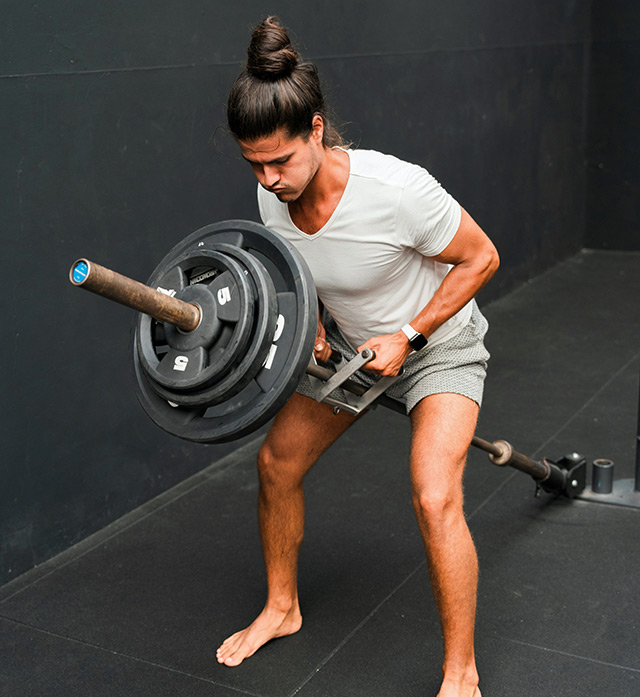 functional weight lifting
The core elements of functional training include:
- Compound movements mimicking daily tasks like lifting shopping bags
- Ever-changing exercises incorporating pushing pulling twisting motions
- Multi-directional movements improving overall mobility
- Bodyweight exercises developing natural movement patterns
Common functional exercises incorporate:
- Squats replicating sitting standing movements
- Lunges simulating walking climbing stairs
- Planks strengthening core stability
- Push-ups developing upper body pushing power
Training equipment options include:
- Free weights (dumbbells kettlebells)
- Medicine balls for explosive movements
- Resistance bands for variable tension
- Sandbags simulating uneven loads
Unlike traditional strength training machines functional strength exercises engage stabiliser muscles promoting better balance coordination. The movements occur in multiple planes of motion matching how your body naturally moves throughout daily activities.
| Training Component | Traditional Strength | Functional Strength |
|---|---|---|
| Movement Pattern | Single plane | Multi-directional |
| Equipment Used | Machines primarily | Free weights bodyweight |
| Muscle Engagement | Isolated muscles | Multiple muscle groups |
| Training Speed | Controlled tempo | Variable ever-changing pace |
The exercises performed at a faster pace integrate cardio elements increasing overall endurance while building strength. This combination creates efficient workouts targeting multiple fitness components simultaneously.
Benefits of Functional Strength Training
Functional strength training delivers measurable improvements in physical performance through ever-changing full-body movements. These targeted exercises enhance multiple aspects of fitness simultaneously, creating practical strength for everyday activities.
Improved Daily Movement and Activities
Functional strength exercises boost your ability to perform daily tasks with greater efficiency. The ever-changing movements mirror common activities like lifting groceries, climbing stairs or gardening, making everyday movements more manageable. Training with functional exercises prepares your muscles for real-industry applications, reducing strain during routine activities.
Enhanced Core Strength and Stability
Core-focused functional training develops deep abdominal muscles essential for posture and spine protection. Exercises engage multiple muscle groups simultaneously, strengthening both primary movers and stabiliser muscles. This comprehensive approach creates a strong foundation for movement while supporting proper form during daily activities.
| Core Benefits | Impact |
|---|---|
| Muscle Mass | Increased lean tissue |
| Bone Health | Enhanced density |
| Metabolism | Elevated rate |
| Joint Health | Improved stability |
- Reduced fall risk through enhanced stability
- Improved posture during static and ever-changing activities
- Enhanced joint stability across movement planes
- Better motor control during recreational activities
- Increased confidence in movement execution
How to Start a Functional Training Programme
Functional training programmes incorporate multi-joint movements that replicate everyday activities. These exercises enhance strength mobility while reducing injury risk during daily tasks. We recommend hiring a personal trainer Melbourne to help you get the technique right.
3. Prisoner Get-Up
Keep hands behind your head with an erect torso. Lower into a squat position maintaining knee alignment over toes. Drive through heels to stand explosively returning to starting position. Complete 10-12 repetitions maintaining proper form.
5. Jump Lunge
Start in a right lunge position with alternating arm positions. Jump explosively switching legs mid-air landing in opposite lunge position. Maintain rhythm through 8-10 alternating jumps focusing on controlled landings.
4. Jump Squat
Stand feet shoulder-width apart lowering into squat position. Jump explosively upward swinging arms down for momentum. Land softly immediately lowering into next squat. Perform 3 sets of 8-10 repetitions.
6. Lateral Lunge
Step sideways bending the lunging leg knee keeping opposite leg straight. Point toes forward sitting hips back maintaining flat back position. Push off lunging leg returning to centre. Complete 10-12 reps each side.
7. Reverse Lunge
Start feet hip-width stepping backward into lunge position. Lower back knee toward ground maintaining 90-degree angle in front leg. Press through front foot returning to start. Alternate legs for 10-20 repetitions.
8. Prone Swimmer
Lie face down arms extended overhead legs straight. Lift opposite arm leg simultaneously holding briefly. Lower returning to start position. Alternate sides completing 12-15 repetitions per side.
12. Plank Bird Dog
Start in plank position hands under shoulders. Extend opposite arm leg maintaining neutral spine. Hold 2-3 seconds returning to start position. Complete 10 repetitions each side.
9. Inchworm
Stand tall hinging forward walking hands out to plank position. Keep legs straight walking feet toward hands. Return to standing position. Perform 8-10 controlled repetitions.
17. Kettlebell Swing
Stand feet shoulder-width holding kettlebell between legs. Hinge hips back swinging kettlebell upward through legs. Drive hips forward bringing kettlebell to shoulder height. Complete 3 sets of 15 swings.
24. Dumbbell Sit-Up to Single-Arm Overhead Press
Lie supine holding dumbbell at chest level. Perform sit-up pressing dumbbell overhead at top position. Lower controlling descent back to start. Execute 12-15 repetitions alternating arms.
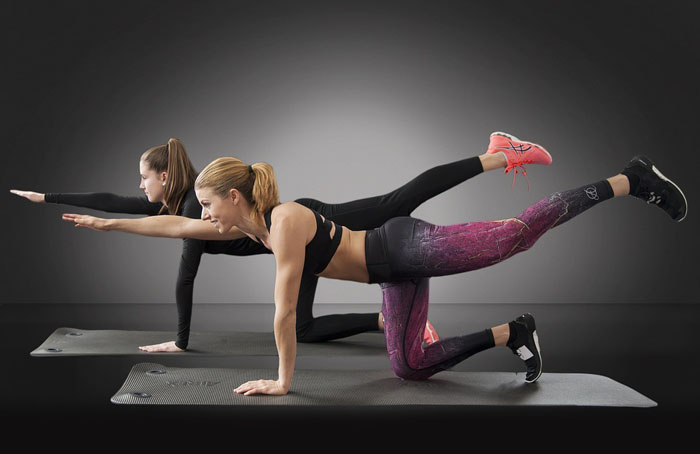 functional exercises
Functional vs Traditional Strength Training
Traditional strength training centres on exact muscle groups through structured exercises using weights or resistance machines. The primary focus lies in progressive overload with defined sets and repetitions to increase muscle size strength and endurance.
Key differences between functional and traditional strength training include:
Training Objectives
- Traditional: Maximises muscle mass through isolated movements
- Functional: Enhances everyday movement patterns through compound exercises
Exercise Selection
- Traditional: Focuses on single-joint movements like bicep curls leg extensions
- Functional: Incorporates multi-joint movements like squats lunges kettle swings
Equipment Requirements
| Training Type | Primary Equipment | Secondary Equipment |
|---|---|---|
| Traditional | Barbells Dumbbells | Weight Machines Benches |
| Functional | Bodyweight Bands | Kettlebells Medicine Balls |
Performance Metrics
- Traditional: Measures one-rep maximums weight progression
- Functional: Tracks movement quality balance coordination
Cardiovascular Impact
- Traditional: Limited cardio benefits focuses on strength
- Functional: Integrates cardio through ever-changing movements
- Traditional: Single-plane movements targeting isolated muscles
- Functional: Multi-directional movements captivating multiple muscle groups
While both methods build strength functional training emphasises practical movement patterns that transfer to daily activities. Traditional strength training excels at building exact muscle groups through controlled isolated exercises targeting aesthetic development.
These training approaches complement each other with many exercises overlapping between the two styles. The choice between functional traditional training depends on exact fitness goals exercise preferences physical capabilities.
Conclusion
Functional strength training transforms conventional exercise routines into practical movement patterns that enhance daily activities. This training method integrates compound exercises, multi-directional movements plus balance training to create a comprehensive fitness approach that builds strength, stability and mobility.
We do recommend hiring a professional to help you learn these exercises. You can contact Fitness Image, they're the best personal trainres in Melbourne.
The versatility of functional training accommodates various fitness levels through progressive exercise variations, from bodyweight movements to advanced resistance training. By incorporating equipment like kettlebells, resistance bands and medicine balls, you're able to target multiple muscle groups simultaneously while improving coordination and core stability.
The benefits extend beyond aesthetic improvements, delivering enhanced movement efficiency, reduced injury risk and improved posture. Through exercises that mirror everyday activities, functional strength training creates practical strength that translates directly to daily tasks like lifting groceries, climbing stairs or playing with children.
Whether you're an athlete seeking performance enhancement or someone looking to improve daily movement capabilities, functional strength training offers a time-efficient, adaptable approach to fitness that delivers measurable results in both strength and functionality.
Research and contribution by:
Fitness Image Personal Trainer Melbourne
111 Cecil St, South Melbourne VIC 3205
0402 826 824
https://fitnessimage.com.au
Related Pages
- Home Fitness Training Program
- Bodyweight Exercise Training
- Functional Fitness Test
- Guide to Bodybuilding
- Gym Guide for Novices
 Any comments, suggestions, or corrections? Please let us know.