Components of Fitness
Quick Answer
The components of fitness are the building blocks that define physical ability. There are 10 primary components, including strength, speed, endurance, flexibility, and power, each of which can be tested and trained individually.
- 10 distinct fitness components covering all aspects of physical performance
- Each sport requires a unique combination of these components
- Components can be measured through specific fitness tests
Fitness defines the ability to perform physical activity, and encompasses a wide range of abilities. Each sport and activity requires a specific set of skills, and so being fit for a particular sport requires a specific skill set. Being fit for one sport does not necessarily make you fit for another.
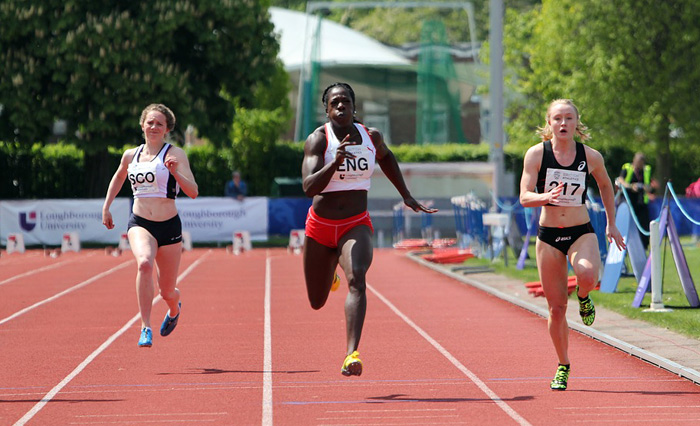 speed is a primary component of fitness
Although it is not all clear cut, fitness is generally divided into specific fitness categories or components (listed below), and each can be tested and trained individually. According to sports science expert Robert Wood, who has analyzed sports performance data for over 25 years, understanding these components is essential for developing effective training programs tailored to specific athletic goals.
The 10 Fitness Components Explained
The following fitness components represent the core physical attributes that determine athletic performance.
Body Composition
The distribution of muscle and fat in the body, including height, lengths, and girths.
Muscular Strength
The ability to carry out work against a resistance in a single maximum effort.
Muscular Endurance
The ability to repeat a series of muscle contractions without fatiguing.
Power and Speed Components
Power and speed are closely related components that determine explosive athletic performance. These components are particularly important in sports requiring quick bursts of energy.
- Power — the ability to exert a maximal force in as short a time as possible, as in accelerating, jumping and throwing implements. Power combines strength and speed for explosive movements.
- Speed / Quickness — the ability to move quickly across the ground or move limbs rapidly to grab or throw. Speed is critical in sports from sprinting to ball sports.
Motor Control Components
These components relate to body control, movement efficiency, and the ability to change direction or maintain stability during athletic performance.
- Agility — the ability to quickly change body position or direction of the body. Essential for sports requiring rapid direction changes.
- Flexibility — the capacity of a joint to move through its full range of motion, which is important for execution of the techniques of sports and injury prevention.
- Balance and Coordination — the ability to stay upright or stay in control of body movement, an important component of many sports skills.
Endurance and Motor Skills
- Cardiovascular Endurance — or aerobic fitness, stamina, is the ability to exercise continuously for extended periods without tiring. This is foundational for most sports.
- Motor Skill — gross motor skills are the basic skills developed when young, which can be developed upon with specific sports skills training.
How Fitness Components Apply to Different Sports
Different sports place varying demands on each fitness component. For example, marathon runners require exceptional cardiovascular endurance, while powerlifters focus primarily on muscular strength. Team sports like soccer require a balanced combination of multiple components including endurance, speed, agility, and coordination.
Elite athletes typically excel in the specific components most relevant to their sport while maintaining adequate levels across all areas. This targeted approach to fitness development is what separates recreational athletes from professionals.
💡 Pro Tip: To identify which fitness components are most important for your sport, analyze the movements and energy demands of your activity. Then prioritize training those specific components while maintaining general fitness across all areas.
Testing Your Fitness Components
Each fitness component can be measured through specific tests, allowing athletes and coaches to identify strengths and weaknesses. Regular testing provides valuable data for tracking progress and adjusting training programs.
Frequently Asked Questions
What are the main components of fitness?
The main components of fitness include cardiovascular endurance, muscular strength, muscular endurance, flexibility, body composition, power, speed, agility, balance, and coordination. These ten components work together to determine overall physical fitness and athletic performance.
Why is understanding fitness components important for athletes?
Understanding fitness components helps athletes identify which areas to train for their specific sport. Different sports require different combinations of fitness components, so targeted training based on sport-specific demands leads to better performance outcomes and more efficient use of training time.
What is the difference between muscular strength and muscular endurance?
Muscular strength is the maximum force a muscle can produce in a single effort, measured through tests like one-rep max lifts. Muscular endurance is the ability to perform repeated muscle contractions over time without fatigue, tested through exercises like push-up counts. Both are essential but trained with different approaches.
How can I test my fitness components?
Each fitness component has specific standardized tests. For example, the beep test measures cardiovascular endurance, the sit-and-reach test measures flexibility, and vertical jump tests measure power. Comprehensive fitness testing should cover all relevant components for your sport or fitness goals.
Which fitness component is most important?
The most important fitness component depends entirely on your goals and sport. For general health, cardiovascular endurance and body composition are priorities. For sprinters, speed and power are critical. For gymnasts, flexibility and balance take precedence. Identifying sport-specific needs is key to effective training.
Can all fitness components be improved with training?
Yes, all fitness components can be improved through appropriate training, though the degree of improvement varies based on genetics and starting point. Some components like flexibility and cardiovascular endurance can show rapid improvement, while others like speed may be more influenced by genetic factors but can still be enhanced with proper training.
References
- American College of Sports Medicine. (2022). "ACSM's Guidelines for Exercise Testing and Prescription." Wolters Kluwer. 11th Edition.
- Hoffman, J. (2014). "Physiological Aspects of Sport Training and Performance." Human Kinetics. 2nd Edition.
- Caspersen, C.J., Powell, K.E., & Christenson, G.M. (1985). "Physical fitness, physical activity, and physical fitness." Public Health Reports. 100(2), 126-131.
- Heyward, V.H., & Gibson, A.L. (2014). "Advanced Fitness Assessment and Exercise Prescription." Human Kinetics. 7th Edition.
- Wood, R.J. (2024). "Complete Guide to Fitness Testing." Topend Sports. Retrieved from topendsports.com
- National Strength and Conditioning Association. (2016). "Essentials of Strength Training and Conditioning." Human Kinetics. 4th Edition.
- Bompa, T., & Buzzichelli, C. (2019). "Periodization: Theory and Methodology of Training." Human Kinetics. 6th Edition.
Related Pages
Sports Fitness Rankings
See which sports require the greatest endurance, speed, and agility with our comprehensive rankings.
Learn More →Factors of Success in Sports
Understand what makes athletes successful across different sports.
Learn More →Sport Science Disciplines
Explore the scientific disciplines that support athletic performance.
Learn More →Monitoring Fitness Changes
Learn how to track and monitor your fitness improvements over time.
Learn More → Any comments, suggestions, or corrections? Please let us know.