How to set up a volleyball training session?
Volleyball training is essential for improving players’ technical skills, physical conditioning, and tactical understanding of the game. A well-structured training session not only helps athletes develop their individual skills but also strengthens team dynamics. In this article, we discuss the structure of a typical volleyball training session, the equipment required, and some practical tips to maximize the effectiveness of each practice.
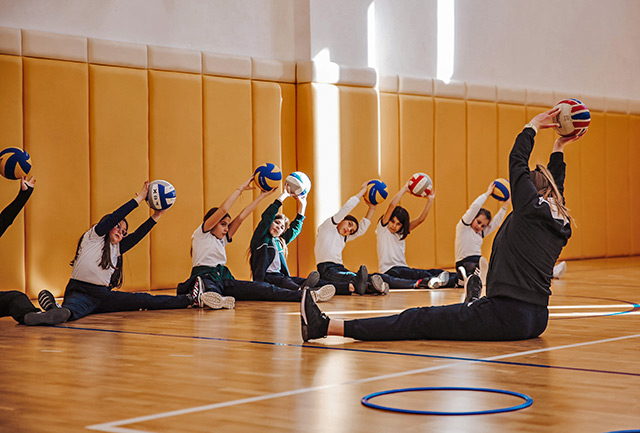 volleyball training
Structure of a training session
An effective training session generally consists of several phases, each aimed at improving specific aspects of the game.
- Warm-up (10-15 minutes): It’s important to properly prepare the muscles for intense activity. A warm-up can include light cardio exercises like jogging, followed by dynamic stretches to increase mobility.
- Technical training (20-30 minutes): This phase focuses on improving basic techniques such as passing, serving, attacking, and blocking. It may range from individual drills to partner exercises where techniques are practiced repetitively.
- Tactical training (20-30 minutes): The goal of this phase is to help players understand how to apply their technical skills in game situations. This can be achieved through game-like drills where teams must execute specific strategies, such as positioning and communication.
- Conditioning (15-20 minutes): Volleyball requires a high level of endurance, speed, and strength. Conditioning exercises, such as short sprints and plyometric drills, are crucial for improving the players’ physical abilities.
- Cool-down (10 minutes): After an intense training session, it is important to gradually bring the body back to a resting state. This can be done through light jogging and static stretching to enhance flexibility and prevent injuries.
Required materials
To have a successful training session, some basic equipment is necessary:
- Volleyball net: A net is essential for most drills, whether it’s for passing, serving, or team play.
- Volleyballs: Of course, balls are essential for nearly every exercise, and it is important to use balls that are well-balanced and suited for the right playing conditions.
- Markers: Cones or line markers can be used to set up specific areas for exercises like positioning drills or jump training.
- Fitness equipment: For conditioning, equipment like ropes, resistance bands, and medicine balls are useful.
Practical tips
Vary the volleyball drills: Variety prevents boredom and ensures players can improve their skills in different ways.
- Focus on technique: Especially in the early stages of training, it’s crucial to emphasize proper techniques. Bad habits can be difficult to break.
- Use video analysis: Recording practice sessions can help identify areas for improvement and visualize success.
- Build up gradually: Start with simpler drills and increase the complexity as players improve. This prevents frustration and fosters a sense of progress.
By following this structure and implementing these tips, coaches and athletes can create an effective and enjoyable training session that significantly improves players’ skills. The key is a balanced focus on technique, conditioning, and tactical understanding, which will enhance both individual and team performance on the court.
Related Pages
- Training To Be A Better Court Volleyball Player
- Warming up for Volleyball
- Fitness testing for volleyball
- Discussion of the Fitness Components for Volleyball
- Anthropometry and volleyball
- Fitness for Sport
 Any comments, suggestions, or corrections? Please let us know.