Inside the Madness of Playoffs
You know that moment in sports when the entire arena holds its breath? The clock’s winding down, the score is tight, and suddenly everything feels like it’s riding on one play. Some teams seem to thrive in that chaos—they get laser-focused, make clutch shots, or pull off incredible stops. Others? Well… they start sweating, passing the ball like a hot potato, or just freeze up like they forgot how to play.
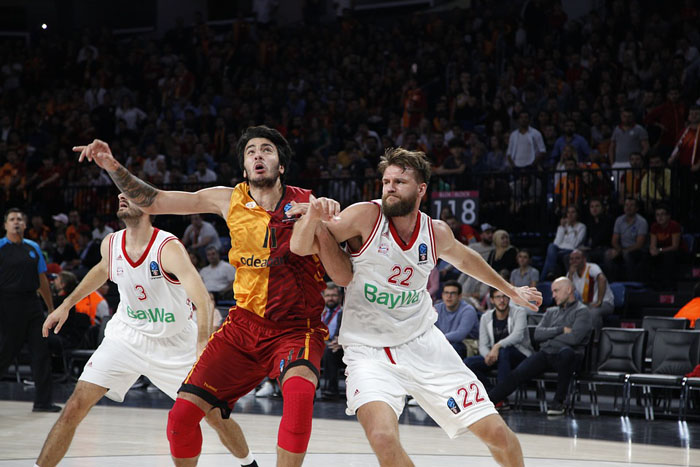 playoff strength
Why does that happen? It’s not just about who’s got the flashiest moves or the biggest star. It’s about what happens in the minds and hearts of players and how well the whole team sticks together when the pressure’s turned up to 11.
The Magic of Doing the Basics Well
Here’s a secret: the teams that win championships usually aren’t the ones making jaw-dropping, no-look passes every time down the court. It’s the ones who do the little things really well: setting solid screens, boxing out, running plays that feel almost boring but get the job done.
Consistency might not sound exciting, but it’s like having a trusty GPS on a road trip. You might not enjoy every second of the route, but you’re way more likely to get where you want without ending up lost in the middle of nowhere. These teams practice the same plays until they can do them with their eyes closed. When the pressure’s on, they don’t suddenly reinvent the wheel, they trust their system.
That’s why some teams look calm and collected while others act like they just discovered the rules of the game five minutes before tip-off.
Who Runs the Show?
We tend to think of leaders as the loudest person on the team or the one who scores the most points. But real leadership is often quieter and way more subtle. Think of the teammate who always calms everyone down after a bad play or the coach who makes a clutch call that nobody saw coming.
Great leaders in sports know when to say something and when to just listen. They keep the vibe steady in the locker room, reminding everyone that a bad quarter doesn’t mean the game is lost. Sometimes, leadership is about being the one who picks up a struggling teammate, not by yelling, but by quietly passing the ball or offering a nod of encouragement.
That kind of calm confidence spreads. It’s infectious, and it helps keep a team from unraveling when the pressure cooker heats up.
What NBA Playoffs Failures Teach Us About Choking and Comebacks
If you want to see pressure get the best of even the most talented teams, look no further than some of the most famous NBA playoffs failures. We’re talking about those heartbreaking moments where teams with superstar lineups and huge expectations suddenly fall flat on their faces in the postseason.
Maybe it’s blowing a big lead, or a key player suddenly forgetting how to hit a free throw. Sometimes it’s coaching decisions that make you scratch your head, and sometimes it’s just bad luck. But these failures are also super important lessons.
What separates the good teams from the great ones is what they do after falling short. Some let it break them down, but others learn, adapt, and come back stronger the next year. They add depth, focus on chemistry, and figure out how to keep their cool when the spotlight gets blinding.
NBA playoffs failures are painful to watch, but they’re also proof that even the best can stumble, and that stumbling can be part of the journey toward greatness.
Composure Is Everything
Pressure doesn’t build character; it exposes it. When the game’s on the line, teams either tighten up and lose their rhythm or loosen up and play their best basketball. The difference usually comes down to culture and trust.
Teams that have built strong relationships and clear identities tend to play freer, even in tense moments. They trust each other’s abilities and stick to what they know works. Meanwhile, teams without that foundation might start pointing fingers or trying to force hero plays, and that usually ends badly.
This is why franchises with strong cultures tend to stay competitive year after year. Their players don’t just show up for games, they show up for each other.
The Playoff Pressure Cooker
Sports are full of moments that test nerves, teamwork, and skill. What separates the winners from the also-rans isn’t just talent, it’s how they handle the heat. Consistency, leadership, and learning from past failures are the secret ingredients.
And while everyone loves an underdog story, it’s often the teams that quietly build their strengths over time who end up lifting the trophy. So the next time you see a team choke or come back from the brink, remember: pressure is just another part of the game, and how you respond is what counts.
Related Pages
- About the NBA Finals
- How Can Sports Psychology Help Athletes? Are you performing up to your capability?
- Effect of Crowd Noise on Sports Teams — How Much of an Effect Does Crowd Noise Really Have on Sports Teams?
- Sport Psychology Main Page
 Any comments, suggestions, or corrections? Please let us know.