Top 8 Vitamins and Minerals for Strong Teeth and Gums
A French actress Jeanne Moreau said, “All those vitamins aren't to keep death at bay, they're to keep deterioration at bay.” This also relates to oral health: your teeth, gums, and soft tissues are not eternal. Luckily, you can boost their rejuvenation with a daily dose of essential vitamins and minerals. We’ll tell you which natural substances to include in your diet for strong teeth and healthy gums.
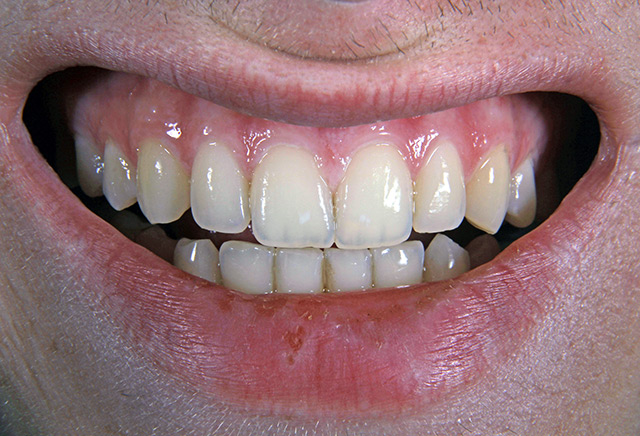 strong teeth and gums
1. Calcium: The Building Block of Strong Teeth
Calcium is a vital mineral for healthy teeth and bones. Calcium deficiency can result in weaker, brittle teeth, cavities, and gum disease. To strengthen tooth enamel and prevent decay and other health complications, you must have enough calcium in your diet.
Sources: dairy foods (cheese, milk, yogurt), canned fish (salmon and sardines), tofu, and leafy green vegetables.
2. Vitamin D: Essential for Calcium Absorption
Fat-soluble Vitamin D is indispensable for building strong bones and teeth. It helps your body regulate calcium and phosphorus levels. Vitamin D deficiency can result in weak teeth and harmful oral health issues, including tooth decay and gum disease. Your body naturally gets Vitamin D from sunlight exposure: being in the midday sun for 4 to 15 minutes is usually enough.
Sources: red meat, fat fish, egg yolks, and breakfast cereals enriched with Vitamin D.
3. Phosphorus: Strengthening Tooth Enamel
Phosphorus is a crucial mineral for building strong bones and teeth, fortifying tooth enamel, and maintaining healthy gum tissues. It ensures sufficient resilience and durability of tooth enamel and streamlines the natural process of remineralization. This mineral prevents further decay and cavities and helps keep your teeth healthy over time.
Sources: meat, poultry, fish, eggs, dairy products, nuts, legumes, and whole grains.
4. Vitamin C: Supporting Gum Health and Healing
Vitamin C, or ascorbic acid, largely benefits teeth and gums: it contributes to healthy connective tissues, helps with wound healing in the oral cavity, and maintains strong blood vessels. Vitamin C deficiency can cause gums to bleed. Vitamin C supplements have proven their efficiency in early childhood by reducing erosive tooth wear.
Sources: citrus fruit, potatoes, brussels sprouts, peppers, broccoli, strawberries, and blackcurrants.
5. Vitamin A: Keeping Saliva Flow Healthy
Vitamin A has multifaceted benefits for dental health: it aids in developing salivary glands and streamlines the healing of damaged oral tissues. This essential nutrient ensures your salivary glands function properly and effectively neutralize acids generated by mouth bacteria. Adequate vitamin A intake prevents an unpleasant condition called dry mouth, which can lead to tooth decay and gum disease.
Sources: fish oils, liver, milk, eggs, carrots, sweet potatoes, kale, spinach, and apricots.
6. Magnesium: Enhancing Enamel Strength
Adequate magnesium intake activates calcium absorption, which is vital for preventing cavities and periodontal disease. Its deficiency results in the formation of soft enamel that lacks resistance to acids and bacteria. Magnesium promotes a healthier oral environment and reduces the risk of tooth decay.
Sources: wholemeal bread, spinach, and nuts.
7. Zinc: Fighting Bacteria and Bad Breath
Zinc is naturally present in plaque, saliva, and tooth enamel. It helps with wound healing and generating new cells, and its potent antibacterial properties efficiently inhibit the development of plaque-causing bacteria. Regular use of mouth rinses and toothpaste enriched with zinc significantly reduces the risk of cavities.
Sources: meat, shellfish, dairy foods, bread, and cereal products.
8. Fluoride: Natural Protection Against Decay
Fluoride is an efficient mineral for tooth decay prevention and enamel strengthening. It’s well-known for its capacity to reinforce tooth enamel and make it more resistant to cavities. Fluoride also promotes the remineralization process and reduces the risks of dental decay.
Sources: fluoridated water, toothpaste and mouth rinses, in-office dental treatments (varnishes, gels, or foams), and foods (tea and fish).
Best Foods for Healthy Teeth and Gums
We have mentioned the food sources of the most vital nutrients for dental health, but it might be challenging to balance your diet properly. Here’s a shortlist of the most beneficial foods and drinks for healthy teeth and gums:
- Crunchy vegetables: stimulate the flow of saliva, effective natural teeth cleaners.
- Leafy greens: rich in calcium and folic acid, help in cleaning your teeth.
- Hard fibrous fruits: increase salivation, help clean your teeth, and stimulate your gums.
- Nuts: rich in calcium and phosphorus, help fight bacteria that cause tooth decay.
- Yogurt, milk, and cheese: rich in calcium, lower the acid levels in the oral cavity, help fight tooth decay, and prevent bad breath.
- Fatty fish: loaded with phosphorus, protect tooth enamel.
- Whole grains: high in complex carbohydrates, reduce the risk of gum disease.
Proper Nutrition Is Vital for a Healthy Smile
Understanding the importance of vitamins and minerals can help you optimize oral health through balanced nutrition. A healthy and well-balanced diet usually contains enough vitamins and minerals for healthy teeth, but you can also consider supplements. To learn whether to adjust your meal plan or consume supplements, address Vip Dental Care Forest Hills office for professional consultation and customized advice.
Related Pages
- Dental Implant Process Step by Step
- Medicine and Health Care: Prevention and Treatment
- About Sports Medicine
 Any comments, suggestions, or corrections? Please let us know.